
As the senior population across the United States continues to grow, the period immediately following a hospital discharge has become an increasingly critical moment for families and healthcare providers. The transition from hospital to home can be physically and emotionally delicate for older adults, particularly when mobility is reduced or recovery is still in its early stages. RideSenior has positioned itself as a trusted mobility partner by delivering specialized Hospital Discharge Transportation designed specifically for seniors who need careful, reliable, and respectful rides after leaving medical facilities. Through a combination of intelligent coordination technology, experienced drivers, and a senior-first service philosophy, RideSenior is helping families across major U.S. cities ensure their loved ones return home comfortably and with dignity.
Transportation after discharge is very different from everyday ride-hailing. Many seniors leaving hospitals experience fatigue, balance concerns, medication side effects, or temporary weakness following procedures. Standard taxi services and general ride-share platforms such as Uber or Lyft are built primarily for speed and volume rather than the nuanced needs of elderly passengers. RideSenior was developed to close this critical service gap within the non-emergency medical transportation ecosystem. By focusing on thoughtful assistance, predictable scheduling, and clear communication, the company delivers a level of reliability that families increasingly expect when arranging post-hospital travel for aging relatives in cities such as Phoenix, Los Angeles, San Diego, San Francisco, Houston, Dallas, Chicago, Boston, and Miami.
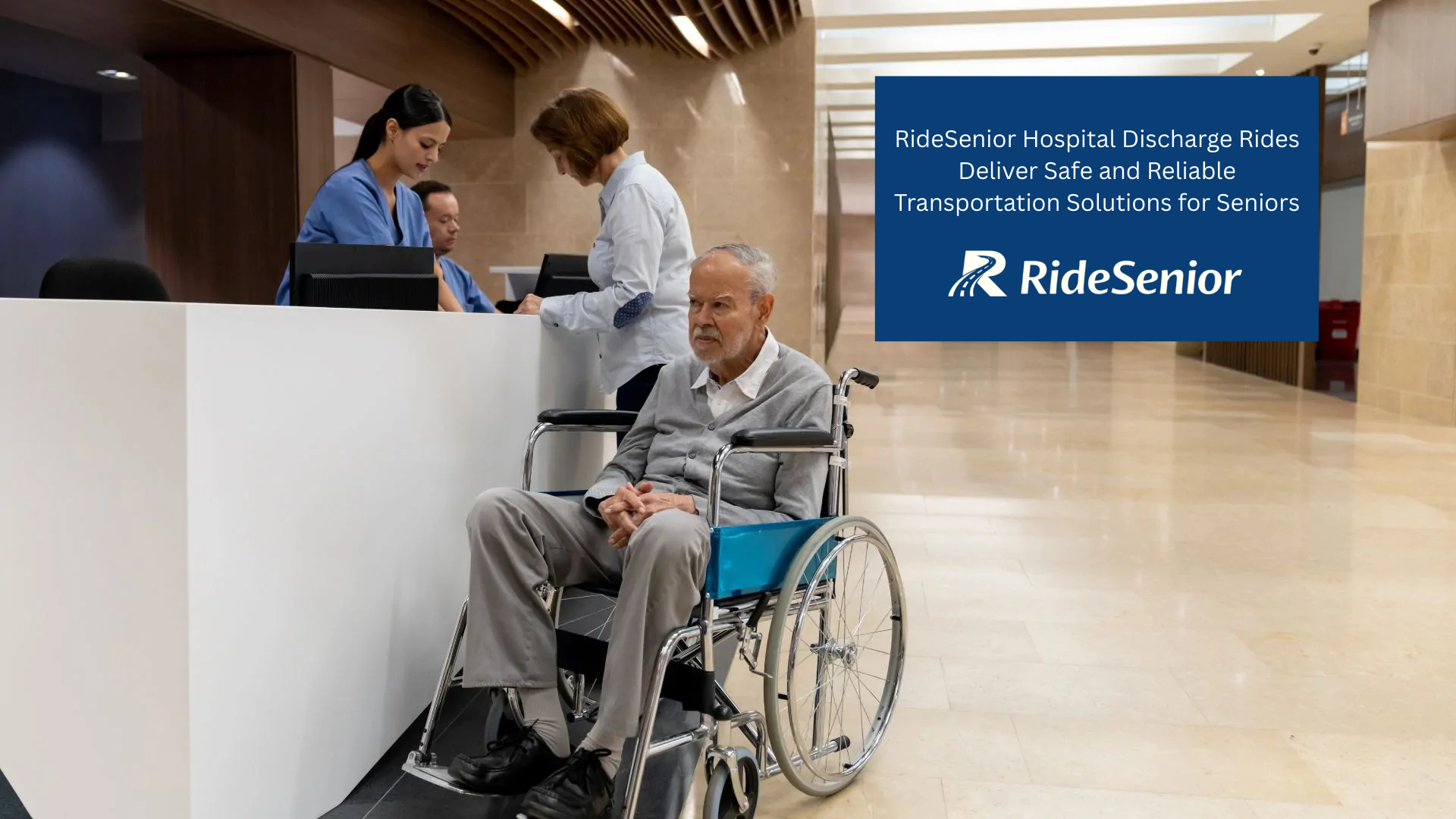
Across major U.S. healthcare hubs, discharge coordination remains a logistical challenge. Hospitals aim to move patients efficiently while maintaining safety and patient satisfaction. However, many seniors do not have immediate access to appropriate transportation when they are cleared to leave. Public transit may be unsuitable, family members may be unavailable during working hours, and traditional ride services rarely provide the patience and attentiveness required for older passengers. RideSenior’s Hospital Discharge Transportation model addresses this need by offering pre-arranged rides that align with the realities of hospital workflows and senior care expectations. Facilities such as Mayo Clinic in Phoenix, Cedars-Sinai Medical Center in Los Angeles, UCSF Medical Center in San Francisco, Houston Methodist Hospital, Baylor University Medical Center in Dallas, Northwestern Memorial Hospital in Chicago, Massachusetts General Hospital in Boston, and Jackson Memorial Hospital in Miami all serve communities where dependable discharge mobility is increasingly essential.
A defining strength of RideSenior is its focus on the real-life needs of elderly clients. Each ride is designed with the understanding that seniors may move more slowly, require extra time entering or exiting vehicles, or benefit from calm and respectful communication. Drivers are guided to provide supportive, unrushed service rather than the quick-turn model typical of many transportation platforms. This approach has proven especially valuable for patients leaving high-volume hospitals such as Ronald Reagan UCLA Medical Center, Scripps Memorial Hospital La Jolla, NewsYork-Presbyterian Hospital, Cleveland Clinic, Tampa General Hospital, and Mount Sinai Hospital in Miami Beach. Families consistently highlight peace of mind as one of the primary reasons they choose RideSenior for hospital discharge transportation.
Reliability remains central to the RideSenior value proposition. Discharge times can shift due to physician rounds, pharmacy delays, or administrative processing. RideSenior’s scheduling system is built to accommodate these real-world changes, helping ensure seniors are not left waiting outside hospital entrances or rushed into vehicles before they are ready. This reliability becomes even more important in busy metropolitan areas such as Los Angeles, Chicago, Houston, and Miami, where hospital traffic and urban congestion can complicate pickup logistics. By prioritizing punctual coordination and flexible response, RideSenior strengthens trust with both families and healthcare partners.
Technology plays a key role in maintaining consistent service quality across multiple U.S. markets. RideSenior’s booking workflow captures essential details such as mobility level, pickup instructions, and destination requirements. This information allows the platform to match each request with an appropriate driver and prepare for the specific needs of the passenger. In complex urban environments such as Boston, San Francisco, and Dallas, where hospital campuses and traffic patterns can be challenging, this level of preparation significantly improves the overall experience. The objective is not simply to complete a trip but to manage a safe and comfortable care transition.
From a family perspective, visibility and communication during discharge are critical. Caregivers are often coordinating services remotely while balancing work and other responsibilities. RideSenior supports this reality by providing clear confirmations, estimated arrival updates, and structured ride information that helps reduce uncertainty. Whether a family member is arranging a discharge from Massachusetts General Hospital in Boston or coordinating pickup at Cedars-Sinai Medical Center in Los Angeles, consistent communication provides reassurance during what can be a stressful moment.
The rising demand for non-emergency medical transportation across the United States reflects broader demographic and lifestyle trends. More seniors are choosing to age in place, and families increasingly rely on specialized service providers to support independent living. RideSenior’s Hospital Discharge Transportation sits at the intersection of healthcare logistics and compassionate mobility. By focusing specifically on seniors, the company differentiates itself from general ride-share options while aligning with the long-term direction of community-based care.
In sprawling metropolitan areas such as Phoenix, Houston, and Dallas, geographic spread often means longer travel distances between hospitals and residential neighborhoods. Seniors leaving facilities like Houston Methodist Hospital or Baylor University Medical Center frequently require more than curbside pickup. RideSenior’s door-to-door emphasis, patient pacing, and respectful assistance help reduce stress during the journey home. This service philosophy has contributed to growing recognition among families seeking dependable senior transportation in the United States.
Major urban centers like Los Angeles, Chicago, and San Francisco present their own challenges due to population density and hospital volume. Facilities including Cedars-Sinai Medical Center, Northwestern Memorial Hospital, and UCSF Medical Center handle significant daily discharge flow. Coordinating safe transportation in these environments requires both operational precision and service empathy. RideSenior’s platform-driven model allows the company to scale while maintaining consistent standards across different regions.
In coastal and high-growth markets such as Miami and Tampa, where healthcare access and senior populations continue to expand, the availability of structured discharge transportation is equally important. Hospitals such as Jackson Memorial Hospital and Tampa General Hospital benefit when patients can depart efficiently and safely, supporting smoother patient flow. For seniors and their families, knowing that a specialized service is available removes a major layer of uncertainty during recovery planning.
Safety awareness remains embedded in RideSenior’s operational culture. Although the service is categorized as non-emergency medical transportation, internal standards reflect the vulnerability of many passengers. Drivers are encouraged to prioritize smooth driving behavior, careful assistance, and clear communication throughout the trip. This attention to detail is especially important for seniors recovering from surgery or managing chronic conditions. By maintaining consistent safety practices, RideSenior reinforces its reputation as a responsible mobility provider in the U.S. market.
Another important growth driver is the increasing number of adult children managing care for aging parents from different states. A family member in California may be coordinating a discharge in Texas, while another in Florida may be arranging transportation in Illinois. RideSenior’s multi-city consistency helps simplify this process. Families can rely on a familiar service experience regardless of location, which is becoming an increasingly valuable differentiator in the senior services market across the United States.
Healthcare professionals are also recognizing the operational advantages of dependable discharge transportation. When hospitals can confidently recommend a trusted mobility partner, discharge planning becomes more efficient and patient satisfaction improves. RideSenior’s model aligns with these institutional goals while maintaining a strong consumer-focused brand that families recognize and trust. As awareness grows, specialized discharge ride services are expected to become a standard component of post-hospital care coordination nationwide.
Looking ahead, RideSenior continues to invest in platform enhancements, expanded geographic coverage, and deeper integration with healthcare workflows. As the senior population grows across major U.S. cities, the need for thoughtful, reliable transportation will only increase. RideSenior’s commitment to combining intelligent systems with compassionate service positions the company to play a meaningful role in the future of senior mobility throughout the United States.
Bài viết liên quan: